
hits counter

Coral Shores Nuthouse

nuthouse
CEO

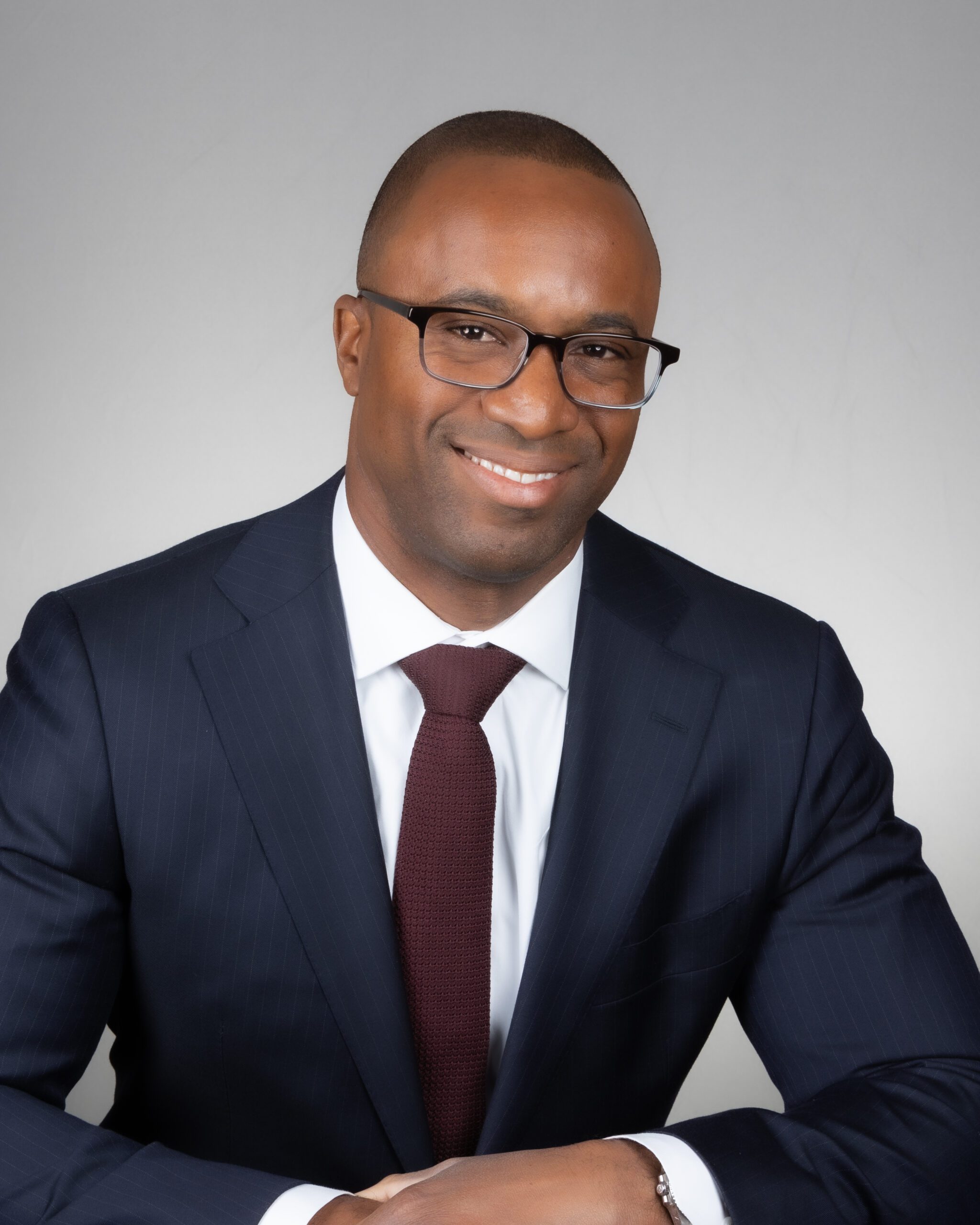
CEO: Stephen C. Quintyne, FACHE

Shortly after my arrival at Coral Shores, on November 4, 2025, I was asked to sign a form, agreeing to accept a prescription for Seroquel. The nurse explained that it was just something to help me sleep. I refused to sign it. I was sleeping just fine, and wouldn't normally take a sedative even if I wasn't.

I do take a number of prescription drugs for various physical ailments. At the medication window that evening, the nurse tried to give me some Seroquel, along with the medications I was supposed to be taking. When I told her I don't take that, she wanted to argue with me. I calmly cut her off, saying, "I refuse." She then placed the Seroquel back in the cabinet.

On two occasions, I witnessed an elderly female patient forcibly injected after she refused to take something. On another occasion, I saw the nurse at the medication window tell her that she would be forcibly injected if she refused her medication.

Under certain conditions, it is possible for a judge to order involuntary treatment, but that is unlikely in a short term facility such as this one. I suppose they might argue that it was an emergency, where they were forced to prevent this woman from harming herself. Based on what I saw with my own eyes, and heard with my own ears, that would be bullshit.

I believe the real problem is that this woman tried to explain to the nurse at the medication window that someone placed her in the facility for nefarious reasons, and that she was into alternative medicine, etc., all of which might have been true, but the nurse at the medication window is not the person who needs to hear that.

Unlike this woman, I behaved in a manner that was likely to impress a judge, and I believe that earned me a certain amount of respect.

The following morning, another nurse addressed me accusingly, saying, "I see you refused your medication yesterday."

I nodded, and said, "Yes."

Then she asked, "Would you mind explaining why?"

I said, "If a dentist gives me an antibiotic and some pain medicine, I'll take the antibiotic religiously, but if I feel like I've had enough pain medicine, I won't take anymore of that."

Although she didn't appear to be completely satisfied with that explanation, she dropped the matter for the time being.

Up to this point, I thought the drug I was refusing to take was a mere sedative. Then my sister, who had previously worked in the mental health field herself, told me it was an anti-psychotic.

Throughout the rest of my stay, that Seroquel was waiting for me at the window every single evening. I had to be vigilante, to avoid swallowing it by mistake with my other medication. Once I said I didn't want it, that should have been the end of it. I did get rather upset at one point, and stated that I saw this as harassment.

I asked around, and they seemed to be giving that stuff to everyone. As far as I know, I was the only person who successfully refused it.

A friend of mine had chronic liver disease, and a seizure disorder. Based on some reading I did after my release, Seroquel can be very bad for people with either of those conditions. I hope they weren't giving it to her, but I never thought to ask her.

In his LinkedIn profile, Mr Quintyne states that he was employed by AstraZeneca, the manufacturer of Seroquel, as a Sales Representative.

I know what some people are going to read into this, but it is very unlikely that Mr Quintyne is receiving kickbacks from AstraZeneca. If they're paying off this CEO, it stands to reason they'd be paying off the CEOs of thousands of other institutions. That means there would be thousands of opportunities for them to get caught. It simply isn't worth the risk.

Kickbacks are much more likely to come from a pharmacy rep. That makes a little more sense from a risk/reward standpoint.
Director

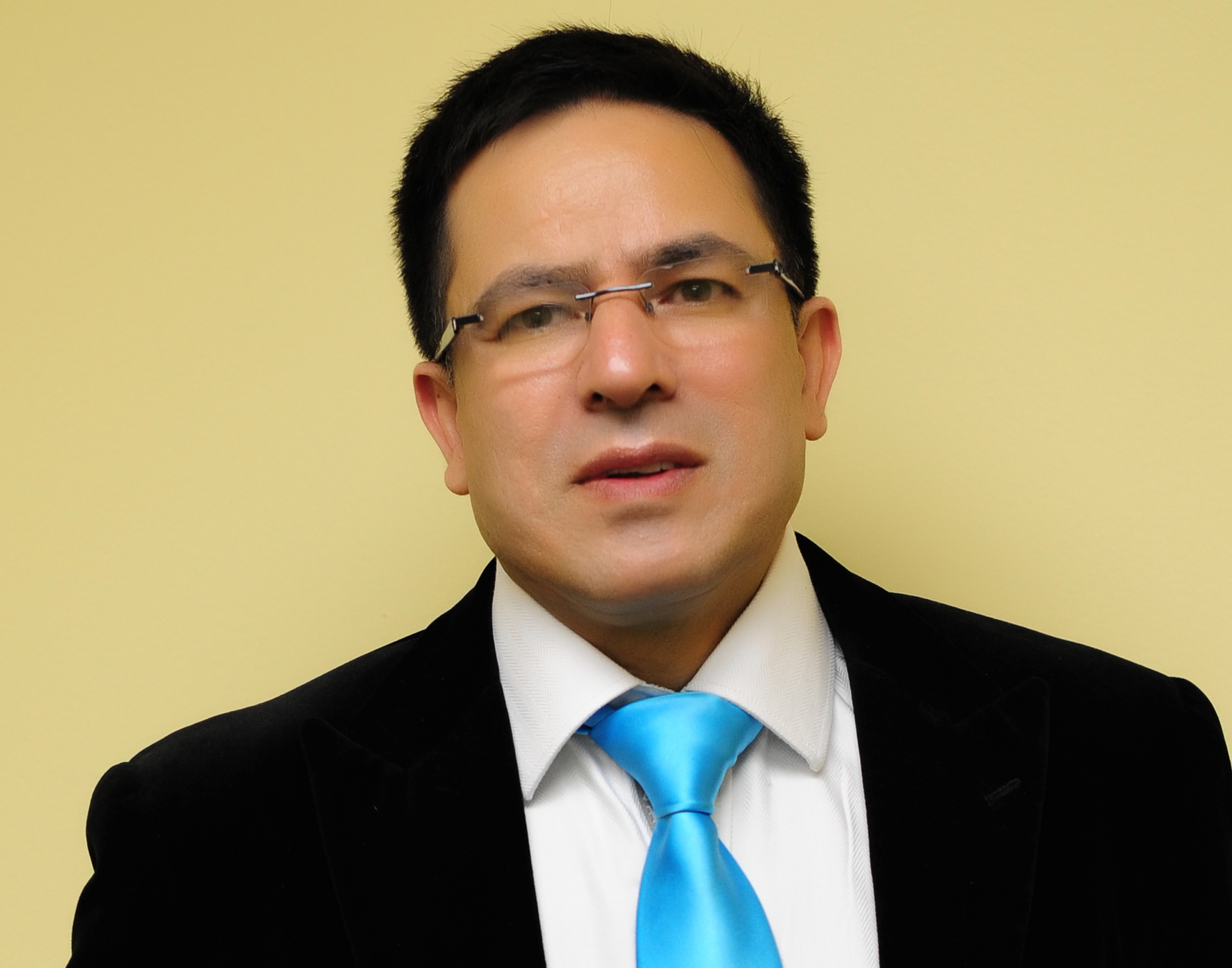
Medical Director: Tanveer Padder, MD

Most of the generic drugs sold in the United States come from India.

Doctor Padder is the CEO of Kashmir Online, a travel company based in India. His portrait even appears on the website. So I know it's the same Tanveer Padder.

This travel agency has a very large number of reviews, and they are overwhelmingly 5 stars, which can actually be a red flag. There are places where you can actually pay for favorable reviews, and with the help of AI, they aren't hard to generate.

There is a separate business, Kashmir Online Store, also based in India, which claims to ship products all over the world. I have not been able to find any official documents linking Doctor Padder to this business. This exporter, along with a few others, is listed in a blog authored by Doctor Padder, but that's the best I've been able to come up with so far.

Docter Padder is the founder and CEO of MTP Psychiatry, which is based in Maryland. Through this company, he offers training for Psychiatric Nurse Practitioners and other professionals. He especially likes to promote his expertise in the field of psycho-pharmacology.

He is the allegedly best selling author of Practical Guide to Psychiatric Medications, which is listed on Amazon, but not as a best seller. The book does have a lot of positive reviews, but there is no telling how many of those reviews he has written himself. That is actually a problem with many products, which is why I always make a point of checking the most critical reviews when evaluating a product.

According to the MTP website, He has received multiple honors, including America's Top Psychiatrist, the Patient Choice Award, and the Top Doctor Award for his contributions to mental health.

Funny, but even most of the staff at Coral Shores seemed to think Doctor Padder was an idiot. That was certainly my impression. OK, he is very good at self promotion, but other than that...

Incidentally, I googled each of these awards Doctor Patter claims to have earned, and Google doesn't seem to know what they are.

In fact, here is an excerpt from one of my challenges to the claims submitted by Coral Shores to my insurance company.

The first claim, is for Doctor Padder. After checking my breathing and heart rate, he asked me what I thought of Donald Trump. I replied that I prefer to view him in Jungian terms.

He immediately laughed, pointed his finger in the air, and said, "You are a very smart man."

I then continued, "Donald Trump is America's shadow."

Still waving his finger in the air, he said again, "You are a very smart man."

I must say, he is pretty smart himself, if he manages to collect $657.10 for that performance.

Doctor Padder diagnosed me with delusional disorder, after claiming that I had even admitted to being delusional, which makes absolutely no sense. A person who is delusional is not going to admit it.

I had believed I was being pursued by someone in a helicopter, but I had already realized I was mistaken, before I even arrived at Coral Shores.

Even if this belief had qualified as a delusion, which it did not, this delusion would need to have been present for at least 30 days, to meet the diagnostic criteria laid out in the DSM. What we're actually looking at here is hours, rather than days.

Director

Medical Team: Faisal Tai, MD

Doctor Tai is the CEO of Psychplus, a rapidly expanding Texas based company which appears to have at least 31 in patient facilites nationwide. Based on the reviews I'm seeing on Glassdoor, it appears to be a very nasty place to work, with one reviewer even stating that patients were not to be reported as suicidal, except on discharge day. Don't let that money get away, but if someone is suicidal because they're in here, no one needs to hear about that.

After my release from Coral Shores, my sister was getting text messages, regarding follow up care with Psychplus. Apparently, they had confused her phone number with mine. Coral Shores is obviously being used to promote Psychplus. Whether that is legal, I do not know. All I do know is that it's happening.

Coral Shores, being a short term facility, would be a logical place to obtain a steady supply of people who don't know their rights, and who might therefore be intimidated into signing themselves into long term treatment.

Doctor Tai Conducted my exit interview on November 12, 2025, just prior to my release. He remarked that I seemed to have improved due to my medication. When I pointed out to him that I hadn't been taking it, he double checked my charts to confirm what I had just told him, and suddenly looked as if he had just seen a ghost.

The following report was electronically signed by Psychiatric Nurse Practitioner Jason Pierre that evening, after I had already left. Apparently, one of a nurse's responsibilities is covering for the doctor when the doctor fucks up.

During this admission, the patient was hospitalized for acute psychotic decompensation characterized by severe paranoia, disorganized thought processes, and significant mistrust of staff and peers. At the time of admission, he displayed marked hypervigilance, persistent belief that others were attempting to monitor or harm him, refusal of food due to fear of poisoning, and intermittent agitation requiring close redirection. He was observed pacing, whispering to himself, and demonstrating impaired reality testing.

Throughout hospitalization, the patient was monitored closely with structured milieu programming, supportive counseling, and safety checks. Medication adherence improved gradually with repeated prompting and reinforcement. As antipsychotic treatment was optimized, the patient demonstrated decreased intensity of paranoid ideation, reduced internal preoccupation, and improved behavioral control. He began eating consistently, sleeping more regular intervals, and engaging briefly with staff without escalating. No restraints or emergency medications were required during the latter part of his stay.

By discharge, the patient showed significant improvement from baseline. Paranoia was still present at a mild to moderate level but no longer accompanied by overt agitation or behavioral disturbances. His thought process was more organized, he was cooperative, and he consistently denied any intent to harm himself or others. He verbalized understanding of his medication plan and the importance of continuing outpatient treatment. The patient was psychiatrically stable for discharge with appropriate follow-up arranged.

From the day I arrived, I refused most of the snacks they offered me, because I simply wasn't hungry. A few days into my stay, I did start reducing my consumption at mealtime, in an effort to bring my blood sugar down. It had nothing to do with any concerns about being poisoned.

At no time did I take any psychiatric drugs, nor was there a significant change in my behavior since the day I arrived. Any suggestion to the contrary is pure fabrication.

Doctor

Psychiatric Nurse Practitioner: Jason Pierre, APRN

He is the founder of Meridian Psychiatry. From the day I first met Jason, he struck me as a really nice guy, very easy to talk to. He is intelligent, but he is also young, idealistic, and naive. He is smack dab in the middle of a cesspool of corruption, and doesn't seem to realize it. I heard him say repeatedly that he does not like the cookie cutter approach to treatment, and I believe he means that. He is basically Doctor Faisal Tai's bitch.

Patient remains severely paranoid, hypervigilant, and disorganized. He reports hearing clicks and voices through electronics. He is resistant to treatment and mistrustful of all staff. Sleep remains severely disrupted. Patient presents with ongoing mood instability, with periods of elevated mood, irritability, and depressive symptoms. He responds unpredictably and demonstrates poor grounding. Continued inpatient treatment remains medically necessary due to severe psychosis and inability to care for himself safely.

I do not believe for a minute that Jason is the one who wrote this. Doctor Faisal Tai had accompanied him on a visit to my room, and I believe he is the one who wrote it.

This report, entered on November 10, 2025, indicates that I am one sick puppy, who would obviously not be safe to release anytime soon. The other report, written just two days later, on November 12, 2025, indicates that I'm all better now, and ready to go home.

Something else happened on the 10th. The social worker summoned me to the nurse's station, and asked me to sign my voluntary commitment paperwork. I told her that I didn't see any reason to sign my rights away.

Social Worker: You actually have more rights if you sign it. After you sign it, you can ask to be transferred to a VA facility.

Me: I'm asking for that now.

Social Worker: We need to make sure they have a bed available.

Me: I have a bed at home.

The social worker was stunned, as if she had just never seen anyone push it that far before.

Then I continued by telling her I wanted to see a judge. They didn't dare let me talk to a judge. That's why they decided to get rid of me.

The CEO, Stephen C. Quintyne, popped his head in the TV room that afternoon, explaining that he was just checking to make sure everything was alright. I was the reason he was in there.

Upon my release, he intercepted me, just as I was about to head out the front door, and asked if I'd mind chatting with him for a moment before I left. I was willing to talk to him, but not without a witness present, and my sister was in a hurry.

Although this report is, for the most part, crap, there is one bit of truth here. I was, and remain, resistant to treatment. I did not enter Coral Shores looking for treatment, nor is it a place that I would enter for that purpose.

I belong to an organization called Mind Freedom International. By labeling me Resistant to Treatment, they have unwittingly awarded me one of that group's highest honors.

The way I see it, if you get drugs from a psychiatrist in order to treat anxiety or depression, you have a drug problem. If I want to use drugs to deal with these kinds of problems, I don't need a doctor-I need a bartender.

I have known people who were not able to function without medication. I have seen rapid cycling bipolar disorder. I have no doubt, these people have something wrong with their brains. Most of the other stuff is just maladaptive behavior that is learned, and can be unlearned. Even if a person does have a problem that is best treated with medication, I believe forcing it upon them is likely to do more harm than good.

If you enter a place like Coral Shores at a young age with some serious problems, the first thing you need to learn is how to defend yourself from the medical profession. Once you have accomplished that, maybe you can develop a little insight into your problems, and start working on some solutions.

I am absolutely horrified that they are bringing kids into this place. It's not that I believe most staff members are monsters. I think most of them genuinely care about their charges, as likely did the nurses who worked in Hitler's eugenics program.

Even in the absence of the corruption present at Coral Shores, I believe psychiatry is rotten to the core, and a good part of the problem is the money that pharmaceutical companies are funneling into education, in order to ensure that the graduates will emerge with a favorable view of their products. I'm sure the tobacco companies are quite envious.

Doctor

Myself: Allen D. Montgomery

I was severely depressed, and often suicidal, from the age of nine, until about twenty two. I overcame these problems, without any professional help whatsoever, though I benefited greatly from the writings of Fritz Perls, Carl Jung, and Nathaniel Branden.

At one point, an Air Force psychologist who thought he was going to straighten me out, nearly got himself killed.

Several years later, I thought it might be a good idea to see a therapist about some relationship issues I was having. Basically, I had a Pattern where I'd get involved with a woman who was more screwed up than I was, and end up as her therapist.

Fortunately, I was smart enough not to marry any of them. The last thing I'd want to do is recreate the environment I grew up in, which I believe is exactly what would have happened if I had gotten married right out of high school.

When I asked my second grade teacher, Mrs Burteman, if I could go to the restroom, she told me to be quiet. When I couldn't hold it any longer, I sat there and peed my pants. As a girl was taking her paper up to the front, she smirked at the puddle she saw on the floor under my desk.

Mrs Burteman then summoned me to the front of the room. As I stood, facing the class, she said, "Class, Allen has something he'd like to share with us. What did you just do Allen?"

My parents split up when I was seven years old. I grew up idolizing my father, and priding myself in being just like him.

Several years ago, I visited my grandmother. She would ask five or six questions, I'd answer each of them, and she would proceed to ask the same questions all over again. Her memory was screwed up, because she had suffered a stroke. A short time later, after her death, I learned that my father had raped her, and that was what had caused the stroke that ended up killing her.

I recently came up with a theory, regarding the identity of the man who committed the Torrey Pines Beach murders. An experienced homicide detective decided that my theory is plausible, and worth looking into. Of course, that doesn't necessarily mean I'm right. All I can do now is wait.

In her report, one of the nurses observed, "He thinks he's smarter than the doctors."

Yes my dear, I do think I'm smarter than the doctors. Also, unlike the crooks who run this place, I am an honest man, which is one of the things that makes me so dangerous.

The same kind of upbringing, including maternal gaslighting, that can produce a monster, can also produce someone like me.

Maybe you're wondering why I thought I was being pursued by men in helicopters.

I believe my letter to King Charles explains that.